What soft washing is designed to do
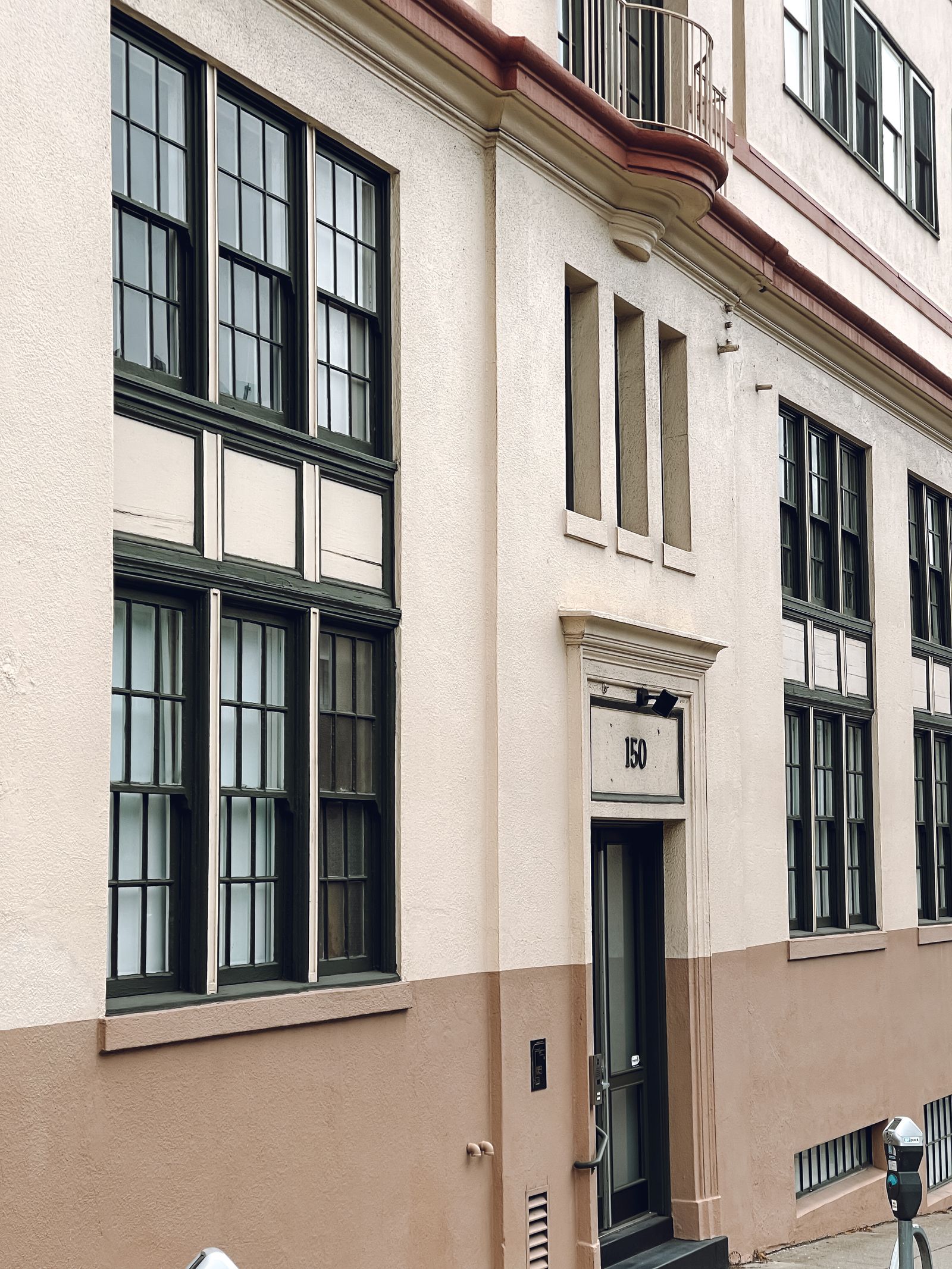
Soft washing generally uses a compatible cleaning solution, controlled dwell time, and a lower-pressure rinse on suitable organic and atmospheric soils. It may fit algae-like staining, pollen, mildew-like growth, bird residue, and some traffic film on compatible brick, concrete, painted surfaces, stucco, EIFS, and other materials after evaluation. The goal is to loosen or treat contamination without applying unnecessary force to the facade. It does not guarantee removal of every dark mark. Minerals, oxidation, embedded exhaust, failing coatings, and recurring moisture may require another treatment or a building repair.
The label is less important than control. Chemistry can affect vegetation, metals, glazing, sealants, coatings, and runoff. Hot Alabama surfaces can change evaporation and dwell time. An occupied site adds entry protection, air-intake review, pedestrian separation, tenant coordination, and equipment staging. A quote should explain testing, product choice, dwell, rinse, protection, water management, and limitations instead of using low pressure as a complete description of the work.
- Choose the process for the material and soil rather than relying on a preset setting.
- Review chemistry, dwell, rinse, plant protection, glazing, metals, public routes, and runoff together.
- Test representative areas where coatings, repairs, or stain causes are uncertain.
- Separate routine cleaning from restoration, repair, leak diagnosis, and coating replacement.
Where controlled pressure may be useful
Pressure washing can have a role on durable, compatible surfaces and localized deposits when pressure at the surface, flow, nozzle, distance, angle, overspray, and runoff are controlled. Selected concrete aprons, curbs, service yards, loading areas, and some hardscape may tolerate controlled pressure after review. Pressure alone is less useful when discoloration is mineral scale, oxidation, embedded exhaust, a failed coating, or an underlying water problem. An advertised pressure number does not predict the result without the nozzle, distance, flow, and operator technique.
Too much force can etch concrete, remove mortar, disturb sealants, lift paint, mark EIFS, expose aggregate, or drive water behind panels and openings. An older downtown masonry wall and a newer retail or medical addition may react very differently even when they share one property. The practical question is which zones can tolerate controlled pressure, which should be treated and rinsed gently, and which need contact work, restoration, or another trade.
A facility may reasonably use more than one method. A compatible soft wash can address organic staining on an upper wall, controlled pressure can fit a durable loading apron, a water-fed pole can suit selected glazing, and hand work can be needed around signs, doors, louvers, canopies, and architectural details. The method map should explain why each zone is being handled differently.
- Reserve pressure for surfaces and zones evaluated for that method.
- Treat a pressure rating as one operating detail, not a complete cleaning process.
- Protect joints, coatings, glazing, sealants, openings, landscaping, and active routes.
- Use a test area when the material, coating, or repair history is unclear.
Match the method to Montgomery's working environments
Downtown Montgomery work may involve sidewalks, civic activity, restaurants, hotels, offices, event routes, limited staging, and entrances that need to remain open. A medical corridor may prioritize patient drop-offs, accessible routes, service access, air intakes, and privacy around occupied doors. Government-adjacent or secure offices may have controlled access, cameras, restricted areas, and limits on where equipment can be placed. The right method must support the operation as well as the facade.
EastChase and other retail centers may need tenant coordination, storefront protection, pedestrian separation, delivery timing, and an opening-time schedule. Atlanta Highway properties can combine signs, drive-through lanes, parking, restaurants, service doors, and traffic film near curbs. Warehouses and industrial corridors may have docks, trucks, outdoor equipment, fencing, broad metal walls, dust, exhaust, oxidation, and yard drainage. A test area helps distinguish what a wash can improve from what needs another treatment or trade.
A method that looks efficient on paper can be awkward on an active site. Hoses need routes, people need separation, drains need monitoring, and mixed materials need different treatment. The quote should show how the cleaning method supports the facility's operating constraints without making technology or pressure a substitute for judgment.
Let Alabama weather and water movement influence the choice
Montgomery heat, humidity, spring pollen, shade, heavy rain, wind, and thunderstorms affect staining and the work window. A pollen-covered office near trees, a shaded brick wall downtown, and a rain-exposed storefront along Atlanta Highway can behave differently on the same day. A sun-facing metal panel may become hot while a recessed entry remains damp. Rain can redirect rinse water toward curb inlets, swales, detention areas, ramps, or shared drive lanes. Lightning, high wind, extreme heat, or slick pavement can make the planned process unsafe.
Runoff belongs in the method decision. A drain at the edge of a parking area is not automatic authorization for treated water to enter it. The right controls depend on product, soil, rinse volume, slope, drain type, landscaping, and site requirements. Possible controls include diversion, recovery, reduced water, filtration, plant protection, disposal, or coordination with the responsible authority. Ask the proposal to identify assumptions and the response if water moves differently than expected.
Recurring streaks can reveal an envelope or plumbing issue. A blocked gutter, downspout, irrigation head, parapet detail, condensation point, failed joint, planter, or roof-edge defect may keep one section wet. A cleaning crew can document what it sees, but the quote should distinguish appearance work from investigation or repair. That distinction helps an owner decide whether the next call should be to a cleaner, roofer, mason, painter, plumber, or building-envelope professional.
Evaluate access, security, and aerial limits together
Montgomery sites can include overhead utilities, mature trees, rooftop equipment, cameras, fences, active roads, narrow staging areas, parking decks, delivery lanes, and neighboring tenants. Before work begins, identify staging, lift locations, hose routes, barriers, spotters, accessible paths, air intakes, doors, vehicles, and emergency lanes. A medical, government-adjacent, or warehouse property may also have access approvals, escort requirements, approved hours, or restrictions on equipment movement and images.
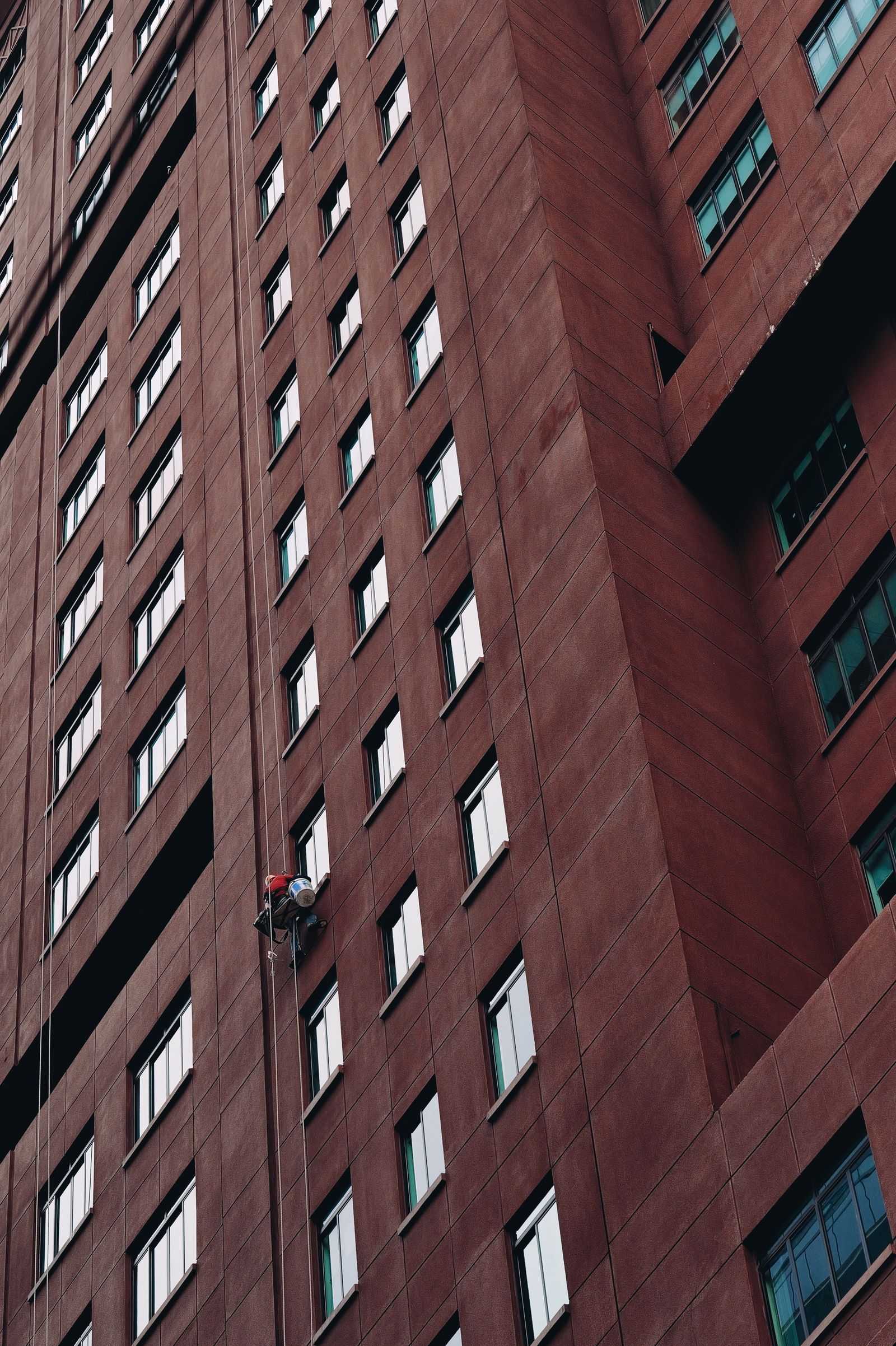
Drone assistance may support broad upper elevations only when wind, facade compatibility, stand-off distance, launch and recovery space, visual control, airspace, public separation, security, and drainage support it. It remains subject to applicable Federal Aviation Administration requirements and does not replace hand detailing, contact glass cleaning, close condition assessment, or repair work. Near active roads, airports, secure areas, or dense public routes, the actual property review matters. If aerial controls are not adequate, a pole, lift, ground, or hybrid method may be preferable.
Height alone should not decide the method. Material, soil, public movement, security, drainage, access, and the finish that can realistically be achieved all matter. A strong quote explains which zones may use aerial support and which remain ground, pole, lift, pressure, soft wash, or hand work.
Use the quote to make a defensible method choice
Ask the quote to identify included elevations, materials, test areas, access equipment, expected working hours, protection for entries and equipment, tenant or security coordination, runoff assumptions, weather contingencies, and exclusions. Send photos of the main entrance, shaded wall, upper elevation, roof edge, loading area, windows, landscaping, and parking-side drainage. Include patient, guest, employee, visitor, event, delivery, truck, or secure-site constraints so the plan reflects how the property is used.
Ask which deposits may not respond to routine washing and which conditions need a mason, roofer, painter, metal specialist, plumber, or envelope professional. A useful decision does not require the owner to know the answer before calling. It gives the cleaning team enough context to explain why a particular zone should be soft washed, pressure washed, detailed by hand, accessed by pole or lift, considered for aerial assistance, or left for another trade.
To discuss a Montgomery property, call +1 239-351-2897 or email contact@dronebuildingcleaners.com. Drone Building Cleaners can help you get in touch, compare soft washing, controlled pressure, aerial support, and hybrid options, and prepare a quote around the appearance and operating outcome you need. The final method should be specific enough that the facilities team understands what will be cleaned, how it will be protected, and what remains outside the cleaning scope.