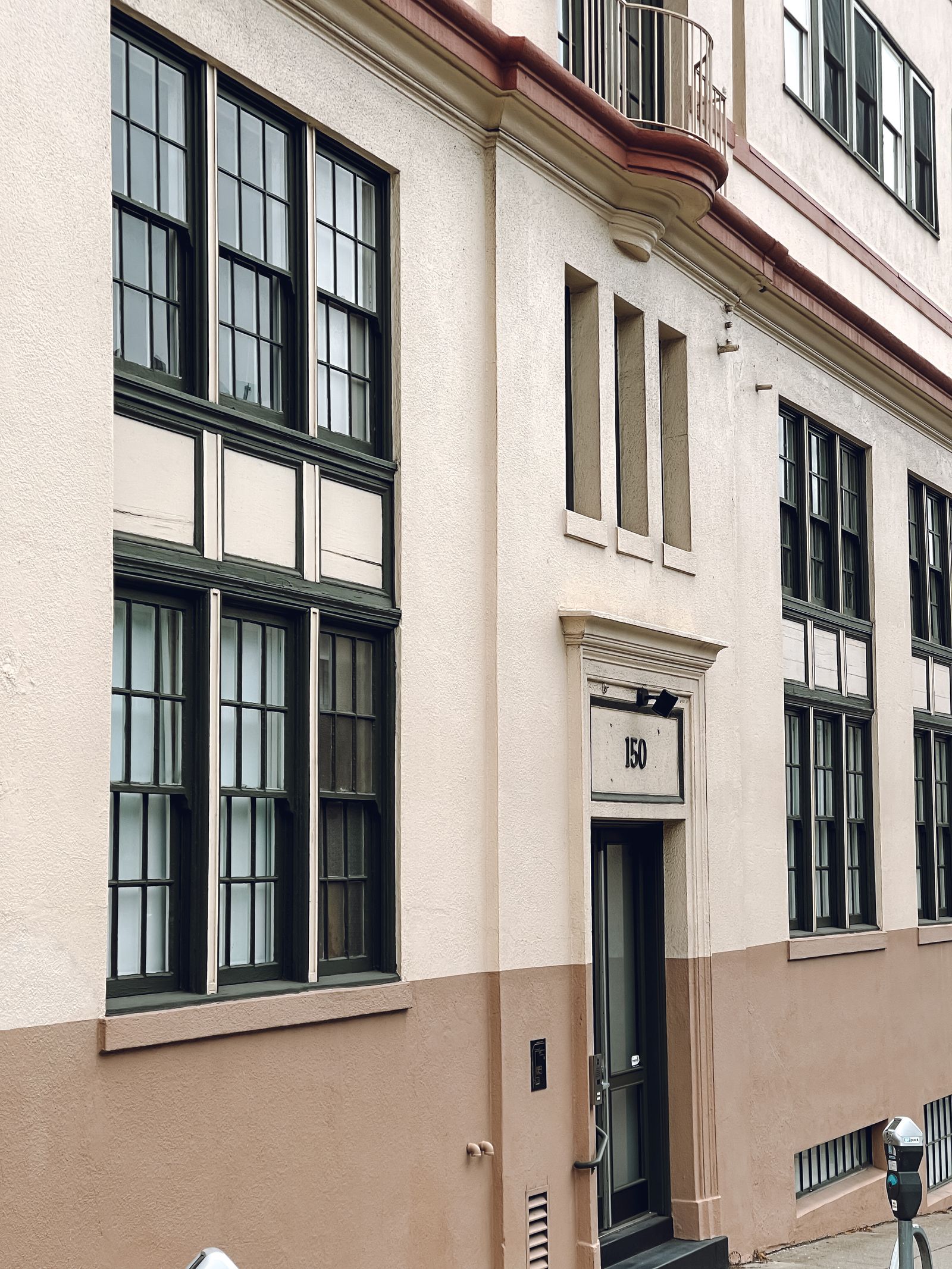
Start with a Montgomery-specific building assessment
Montgomery properties commonly combine brick, mortar, painted block, precast concrete, glass, metal panels, stucco, EIFS, awnings, sealants, and newer additions. A downtown building can place older masonry beside renovated storefront glazing. A medical or professional office may have a covered drop-off, patient access, accessible routes, and landscaping close to the wall. A warehouse can have broad metal elevations, dock doors, truck circulation, security fencing, rooftop equipment, and pavement that carries rinse water toward a low point. A single pressure setting or chemical approach should not be assumed to fit all of those surfaces.
Soft washing may be suitable for compatible organic growth, pollen accumulation, mildew-like staining, bird residue, and some atmospheric film when the solution, dwell time, rinse, and protection plan fit the material. A dark mark may instead be mineral residue, oxidation, exhaust film, embedded soil, failed paint, or a recurring water path. The proposal should identify likely conditions, representative test areas, included elevations, expected improvement, and limitations. Routine washing is not a repair for cracked masonry, open joints, roof leaks, failed sealant, spalled concrete, corrosion, or failing coatings.
- Separate brick, mortar, concrete, glass, metal, EIFS, stucco, painted, and coated zones.
- Distinguish organic staining from minerals, oxidation, exhaust film, bird residue, and drainage marks.
- Use representative test areas where coatings, repairs, or material history are uncertain.
- Keep repairs, restoration, leak diagnosis, glass polishing, and coating replacement outside routine washing.
Build the scope around Montgomery's corridors
Downtown Montgomery properties may sit near government offices, civic destinations, restaurants, hotels, sidewalks, event routes, and limited staging areas. A clean facade may be part of a planned appearance refresh, a tenant turnover, or a scheduled maintenance cycle, but the work still has to preserve pedestrian movement, accessible paths, business entries, and nearby vehicle access. A facility contact can help identify public-facing elevations, event dates, deliveries, restricted doors, and the hours when a quieter phase is possible.
EastChase and other retail areas often combine storefront glass, signs, awnings, sidewalks, parking lanes, landscaped islands, and multiple tenants. A proposal may need to phase work by building face, protect merchandise-facing entries, keep fire lanes and accessible routes clear, and coordinate opening times. Along Atlanta Highway, properties can include restaurants, offices, service businesses, hotels, and broad parking fields with traffic film near curb lines and drive-through paths. The cleaning sequence should account for customers, employees, delivery vehicles, signage, and the visibility of rinse water across shared pavement.
Medical and government-related corridors require a more deliberate occupied-site plan. Patient drop-offs, ambulance or service access, accessible routes, air intakes, cameras, and secure doors should be mapped before equipment arrives. Office campuses may need work outside employee arrival peaks. Warehouses and light industrial properties may need truck schedules, dock access, production activity, outdoor equipment, and low spots in the yard included in the scope. These are planning details, not claims that any property holds a particular contract or affiliation.
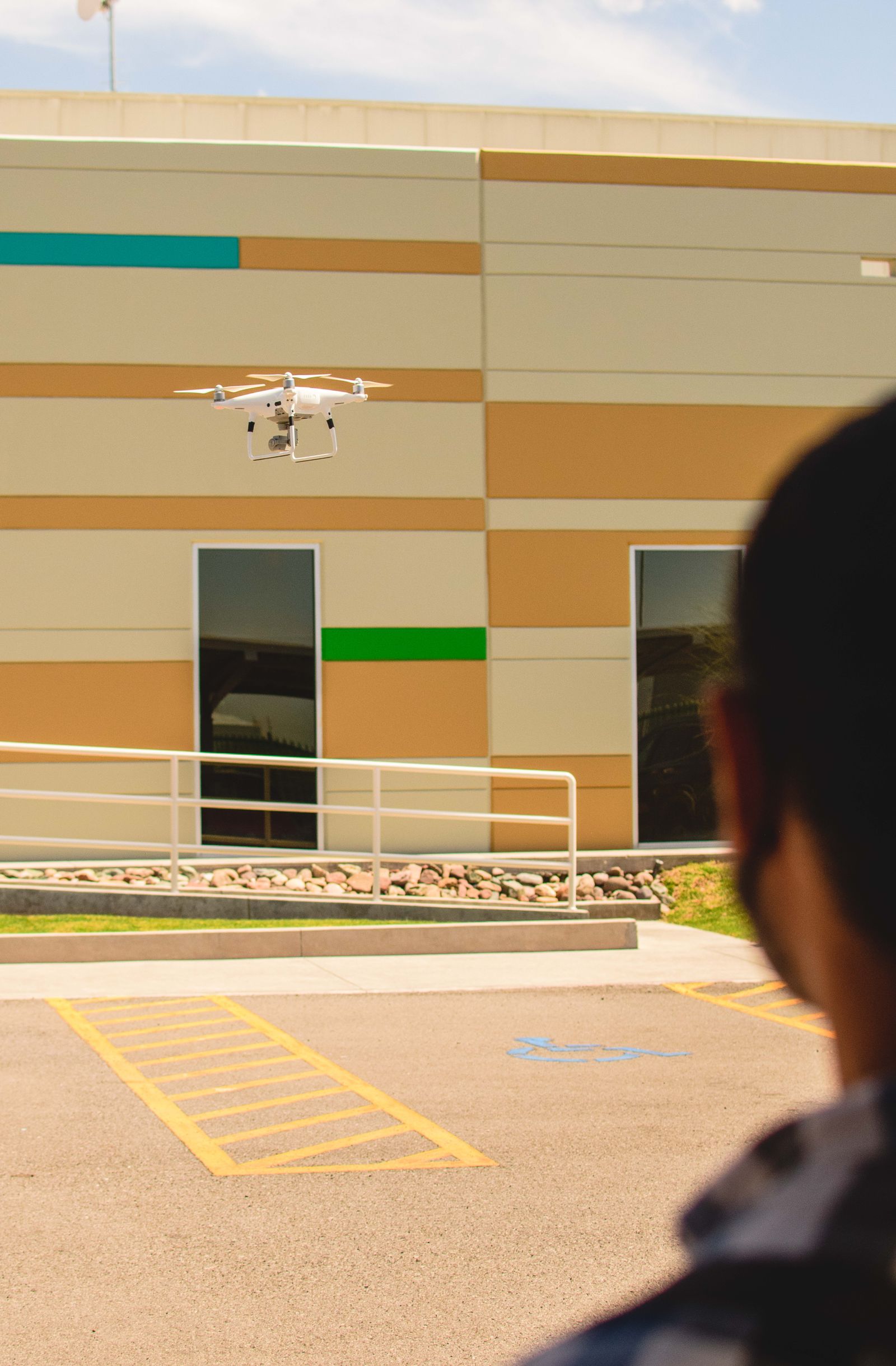
Schedule for Alabama heat, humidity, pollen, and storms
Montgomery's hot, humid conditions, spring pollen, rain, shade, and thunderstorm activity can create recurring staining on north-facing walls, recessed entries, parapets, roof edges, and landscape-adjacent surfaces. Pollen settles on ledges, signs, canopies, glass, and lower walls. Heat changes surface temperature, evaporation, dwell time, and worker exposure. A storm can dilute an application, move rinse water across a parking field, or leave a public route slick. Wind also affects overspray, hose lines, barriers, vegetation, and any aerial work.
A useful work window considers the forecast, wind, lightning risk, rain probability, surface temperature, humidity, drying time, and activity at the building. A sun-facing metal elevation may dry quickly while a shaded masonry wall remains wet. The facility contact and cleaning team should agree on pause and reschedule triggers before staging. This matters at medical entries, downtown sidewalks, retail doors, government-adjacent offices, hotels, and warehouses where a short disruption can affect many people or vehicles.
A stain that returns on one elevation may point to a building condition rather than an inadequate wash. Overflowing gutters, blocked scuppers, downspouts discharging against the wall, irrigation spray, condensation, failed sealant, roof-edge defects, or a planter can keep a section wet. The crew can document a visible water path for the owner or another trade to investigate, while keeping cleaning and repair responsibilities separate.
- Review heat, humidity, wind, rain, lightning, surface temperature, and drying time before each phase.
- Check roof edges, gutters, downspouts, joints, canopies, and low walls for repeat wetting.
- Protect plants, air intakes, finishes, equipment, and public routes from chemistry and overspray.
- Agree on weather pauses before barriers, hoses, lifts, or aerial equipment are placed.
Plan occupied-site access before the first rinse
Before solution or rinse water is applied, map patient and guest entrances, accessible routes, employee doors, loading areas, air intakes, cameras, electrical equipment, landscaping, outdoor seating, vehicles, signs, and neighboring property. A medical building may need a continuous patient route and clear service access. A downtown office may need a pedestrian detour that remains accessible. A retail center may need the most visible entrance kept open. A warehouse may need truck movement and dock doors protected throughout the phase.
The field plan should identify hose routes, barriers, spotters, water access, protection, emergency paths, and the person authorized to pause work. Montgomery parking fields and warehouse yards can drain toward curb inlets, grass swales, detention features, garages, or pavement joints. The property contact should point out low spots and stormwater features before setup. Photos or notes of representative pre-work conditions, completed elevations, remaining deposits, and visible damage give the facilities team a useful record.
A quote should make assumptions visible: staging, water access, access equipment, working hours, tenant coordination, protection, weather contingencies, runoff controls, and exclusions. Phasing can limit the number of entrances, drive lanes, or loading zones controlled at one time. When a facility is active, the customer is buying predictability as well as a cleaner exterior, and the plan should show how both objectives are being addressed.
- Locate accessible routes, entrances, air intakes, loading areas, landscaping, vehicles, and public paths.
- Confirm water access, hose routing, barriers, spotters, security, and emergency access before setup.
- Coordinate patient, guest, employee, event, delivery, tenant, and truck activity.
- Record completed zones, remaining deposits, pre-existing damage, and conditions needing another trade.
Treat drainage and runoff as part of commercial cleaning
Water management depends on the products used, the soil removed, rinse volume, slope, drain type, landscaping, and property requirements. A curb inlet is not automatic permission for treated water to enter it. Depending on the site and scope, controls may include diversion, collection, recovery, reduced rinse volume, filtration, plant protection, disposal, or coordination with the responsible authority. The quote should state its assumptions and describe what happens if observed flow differs from the site review.
A Montgomery thunderstorm can reveal a drainage path that is invisible during a dry inspection. Water may move toward a parking-deck ramp, under a door, across a shared retail lane, into a low landscaped area, or through a warehouse yard. The operator should watch the first rinse, verify that barriers and hose lines remain effective, and pause when flow no longer matches the plan. This is especially important at patient drop-offs, downtown sidewalks, hotel arrivals, industrial yards, and shared parking.
Drainage review can also uncover a recurring building problem. A parapet cap, downspout, planter, irrigation head, roof edge, or failed joint may explain why one elevation darkens faster than another. Cleaning can improve appearance, but the proposal should distinguish visible cleaning from envelope, roofing, plumbing, or drainage investigation. That gives the owner a clearer next step when the source of staining is outside the washing scope.
Request a Montgomery quote with useful property information
For a productive quote, send the address, building use, approximate height, facade materials, problem elevations, desired timing, operating hours, water access, nearby drains, access restrictions, and any known leaks, loose material, coating failure, or previous cleaning damage. Photos of the primary entrance, shaded wall, upper elevation, roof edge, loading area, windows, landscaping, and parking-side drainage help prepare the review. Mention whether the goal is an event-ready appearance, recurring maintenance, tenant turnover, a sale, or improvement of a specific stain.
To discuss a Montgomery property, call +1 239-351-2897 or email contact@dronebuildingcleaners.com. Drone Building Cleaners can help you get in touch, review whether soft washing, controlled pressure, aerial assistance, or a hybrid method fits the building, and prepare a quote around the outcome you need. The right scope is specific about elevations, access, protection, weather, drainage, limitations, and work that should be handled by another trade.